Global Assessment
This is the first appointment, and is usually about an hour. We review the detailed Intake Form you've filled out, allowing a thorough assessment of your current health status, medical history, and weight loss goals. A packet of information is review and provide to you and a personalized treatment plan established.
Customized Treatment Plan
A customized treatment plan is formed at the Global Assessment appointment. This usually involves multiple factors that affect metabolism, including dietary changes, exercise routines, behavioral therapy, bowel function, and sleep patterns. Almost all patients benefit from weight loss medication.
Ongoing Support
Through follow-up appointments, phone, text and email, we provide ongoing support and monitoring to help you stay on track with your weight loss journey. If questions or struggles arise, we want to know about them soon.
Long-Term Maintenance
As weight goals are reached, health improved, and the entire process becomes more intuitive, many patients benefit from ongoing but less frequent follow-up. These appointments are through a Support Plan Tier 3 or 4 and help you maintain the weight you've lost.
 Medical evaluation and monitoring
 Prescription weight loss medication
 Existing medication assessment
 Nutrition counseling
 Physical activity counseling
 Motivation
 Compassionate & Continuous Support
 Body composition testing
 Behavioral health assessment
 Weight loss maintenance

Dr. Bayne French, MD DC
Am. Board of Obesity Medicine and Am. Board of Family Medicine Certified
More Info
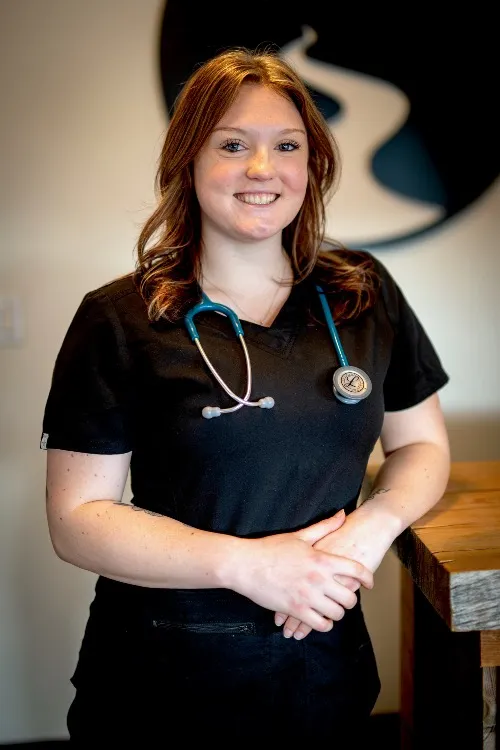
Halle Campbell
Medical Assistant
More Info
Many weight loss principles apply to everyone. Individual response, enjoyment and tolerability of these principles varies widely however. Weight loss treatments including medications are tailored specifically to you, ensuring a personalized approach that maximizes your chances of success. With longitudinal follow-up and monitoring, individualized treatment plans are modified.
Comprehensive CareWeight loss is not durable or sustainable without a comprehensive focus on metabolic wellness. Weight loss must occur through the burning of fat tissue. When this occurs, multiple areas of a patients health usually improves, including body pain, sleep, mobility, and mood. Furthermore, with weight loss there is a dramatic reduction in the risk of developing over 200 diseases. We offer a multi-factorial treatment approach that addresses not only your weight goals, but also your overall health and medical needs.
Ongoing SupportWe are committed to supporting you throughout your weight loss journey, offering guidance, motivation, and resources to help you succeed. Over time, medication are added or removed, dosages changed, and metabolic obstacles to fat burning identified and extinguished.
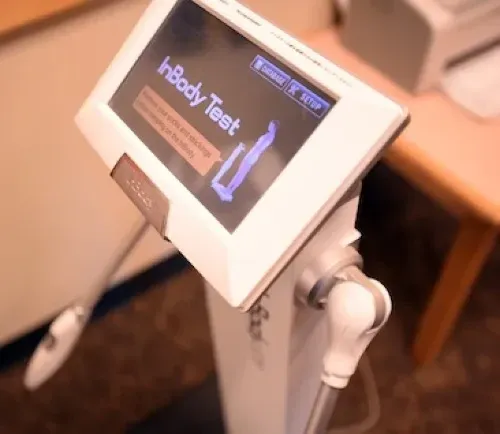
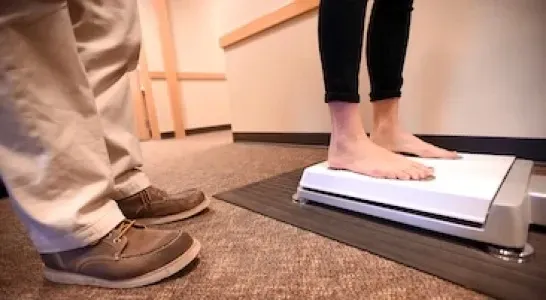
- In-person visits whenever needed, usually every 1-2 weeks
- Support available via email, phone and text whenever needed
- Inbody assessment monthly
- In-person visits usually every 2 weeks
- Support available via email, phone and text whenever needed
- Refinement of health/weight treatment plan
- Medication changes (additions, deletions, dose changes)
- Support and progress tracking continued from Tier 1
- Inbody assessment monthly
- Monthly in-person visits
- Support available via email, phone and text whenever needed
- Inbody assessment with every visit
- Sustained support and progress tracking from Tier 2
- Medication refills and dose adjustments.
- In-person visits every 2 months
- Support available via email, phone and text whenever needed
- Inbody assessment with every visit
- Ongoing health & weight management support
- Progress tracking continued from Tier 3

What is Dr. French's weight loss philosophy?
To be enjoyably sustainable and health impactful, weight loss must occur from the burning of fat tissue. Our brain controls our metabolism and does not want you to burn fat. It wants you to continue to store fat. Such is best for our survival it “thinks”.
In order to turn the “metabolic dial” from fat storage to fat burning numerous factors need to be nurtured. This takes time, and in many cases an entire life reboot.
Concurrent with major lifestyle/metabolic improvements, long-term use of weight loss medication for most patients is a necessity. The use of these medications reduces hunger and cravings dramatically, and boost metabolic fat burning. These results in a consistent loss of fat tissue as it’s burnt to fuel the body, while feeling energetic, mobile, and clear headed.
What does metabolic wellness mean?
There are many definitions of metabolism. In essence, it is the sum total reactions in the body involving the burning or storage of energy.
Historically, medical providers have looked at disease processes as distinct entities. For instance, cancer being very separate from heart disease or diabetes having nothing to do with Alzheimer's disease.
What has become very clear to Dr. French is that most disease processes that humans will die of are metabolic in nature. Being metabolically unwell drives the risk of heart disease, stroke, numerous cancers, type 2 diabetes, Alzheimer's disease and certainly obesity.
What is also clear is that metabolically efficient humans have a dramatically lower burden of these diseases, or they develop them much later in life.
Being metabolically well and efficient drives weight loss, and weight loss drive metabolic efficiency.
How is obesity defined?
There are a few ways to define/diagnose obesity. The most common and widely recognized is via the Body Mass Index (BMI). This is a calculated value, based on weight and height.
A BMI of 25-29.9 is defined as overweight. A BMI of 30 or greater is obesity. BMI has its shortcomings however. A body builder will have a BMI well over 30 . In most circumstances and for most patients, BMI is useful to follow progress over time.
BMI does correlate with health outcomes. The higher the BMI, the higher all-cause mortality is. Meaning everything that one could die of increases as the BMI increases. Helping patients obtain a sub-30 BMI is very meaningful as they’ve cured the disease of obesity and they have greatly reduced their risk of becoming unalive.
Is obesity a disease?
Yes.
Think about this for a moment…how can an individual be high-achieving in many ways, be successful in the work place, manage finances, raise a family, and systematically improve their life, yet fail miserably at their own body weight? Is it possible there are other biological factors going on?
Unwanted weight gain is driven by neurological and hormonal influences as dictated by genetic propensities. ALL of which the individual has no control over. This makes obesity very much a disease and NOT a disorder of will power, lack of volition, gluttony, laziness, or lassitude. These are all factors of the weight bias discussed below.
The American Medical Association (AMA) officially recognized obesity as a disease on June 18, 2013, during its House of Delegates meeting in Chicago. This was considered by many to be landmark. The AMA finally recognized obesity as a chronic medical disease requiring a wide range of treatments, including medication.
With high blood pressure, can we just will the pressure inside our arteries to be normal? With depression can we just force ourselves to be happy? After a heart attack can we make our coronary arteries healthy again? With obesity, can we just “lose weight” as medically professionals and society tells us to? When realizations are made that obesity is a true medical disease driven by multiple chemical factors and governed by our genetic inheritance, this opens the door for powerful medical therapies.
What is a weight bias?
Weight bias refers to negative attitudes and stereotypes towards individuals based on their body weight. It is pervasive in society and within the medical profession.
This stigma assumes that individuals that struggle with their weight are somehow glutinous and deficient in willpower.
This then inevitably leads to discrimination of various types and unfavorable health outcomes for the individual. It also detrimentally affects the mental health of patients who have struggled with their weight.
Possessing a weight bias, like any other method of thinking, is trained. The faulty “calorie model” as a genesis of weight disorders is a large driver of this. The vast majority of people, across all demographics, still view obesity as a choice simply rectified by consuming less calories and burning more calories.
What are obstacles to weight loss?
- Misinformation. The calorie model of weight gain/loss and the Food Pyramid are abominations and likely responsible for the deaths of tens of millions of people. Patients MUST develop a new reality in terms of diet, metabolism, and what is required to burn fat consistently over time.
- The medical professions “Three Strikes” of weight management. The vast majority of medical providers are metabolically clueless, and still subscribe to the calorie model of weight loss. The Three Strikes are #1 lack of knowledge; #2 lack of time to learn and help patients properly; and #3 the lack of reimbursement. Insurance companies do not pay for weight management very well at all.
- Hunger, cravings, and preoccupation with food. These are crippling and consuming. This is another reason why weight loss medications are so important, to blunt these derailing factors.
- Sphere of influence. There are so many factors here interfering with fat-burning metabolism: Family and their dietary preferences; family and a lack of support and sometimes frank sabotage; coworkers; friends; constant influx of pastries in the workplace; etc.
What is the OHM Triad?
This stands for Optimal Human Metabolism, consists of three factors, and was developed by Dr. French as a different way of viewing "dieting".
Asked hundreds of times over many years what he thinks is the best diet, there was always uncertainty in his answer. Not an easy question. It is very clear biochemically that reducing carbohydrate and increasing fat consumption is metabolically favorable. However with a particular diet, you’re either following it or you’ve broken it.
The OHM Triad is a concept of eating. It refers to:
- Dietary content. LCHF is “lower carb higher fat” and is unquestionably the metabolically best way for human mammals to burn fat.
- Mindfulness. This is how and when we eat. Being present with your food, eating slowly in a non-distracted manner, and stopping when you’re satisfied. Medication greatly enhances dietary mindfulness.
- Intermittent fasting. Also known as time restricted feeding. This is hugely powerful metabolically. For most patients, as hunger and cravings subside, they can naturally start to shorten their daily “eating window” in an enjoyable sustainable way.
The OHM Triad as a concept can be applied to potentially any life situation. It can be modulated and made to work for you through holidays, travel, entertaining company, celebratory events, and enjoying food with family members that may not eat the way you do.
What is fat tissue?
The anatomical term for fat is white adipose tissue. It is our storage form of energy and is made by the liver from carbohydrate.
This is very important to understand…the vast majority of fat tissue in and on our bodies is made from carbohydrate. And the liver will not stop making it if it keeps seeing elevated blood glucose from carb consumption.
Traditionally thought to be insulation, cushion, and a repository of energy, fat tissue is now known to be an active biological organ. White adipose tissue produces and releases into the blood stream over 600 chemicals that are known to be inflammatory and potent drivers of numerous diseases including cancer and heart disease.
Dr. French feels that the consistent reduction in fat mass (reduced percent body fat) is the single most important thing an individual could do to reduce their risk of over 200 diseases, and bolster the chance of longevity. Not to mention enhancing quality of life and mental well-being.
Everyone knows you must exercise to lose weight, right?
Nope.
This notion is the work of the calorie model for weight loss: You must burn calories! Just get to the gym!
This is not biochemically correct for several reasons. Many patients simply do not want to exercise, do not enjoy it, and don’t feel comfortable doing it. Dr. French de-prioritizes exercise as a weight loss treatment tool.
Exercise is unbelievably important to live a long time and avoid disease. It is NOT that useful for weight loss. As patients lose weight, they usually feel more mobile and less discomfort and naturally choose to implement focused body movement.
Why are weight loss medications usually necessary?
Obesity is not a disorder of excessive calories. It is a chronic disease that must be managed medically like any other chronic disease.
Doctors and patients readily agree that the use of medications are a critical component of treating diseases like diabetes, heart disease, cancers, high blood pressure, gout, rheumatologic disorders, arthritis, depression and many others.
Obesity is a potent driver of these diseases and many others, and treating it medically is critically important.
Weight loss medications reduce hunger and cravings, thus dramatically reducing “food noise”. This is very freeing for patients. It allows for lower carb eating, dietary mindfulness, and intermittent fasting to be achievable.
For how long does Dr. French recommend weight loss medications be used?
Forever.
Off of medication, 99% of patients will regain the weight they’ve lost. This is the "check mark", loss then regain. There are potent metabolic drivers behind this phenomenon based on survivalistic mechanisms we all possess.
The highest weight you’ve ever achieved is imprinted in the metabolic centers of the brain. Unfortunately the brain will strive to bring you back to that “set-point” weight. It will never forget.
Weight loss medications, combined with major lifestyle/dietary enhancements, allow for significant weight loss and the possibility of maintaining that weight loss.
What can you expect from Dr. French?
- Timeliness.
- Clear and concise communication.
- Extensive explanation of factors affecting unwanted weight gain and what is needed to lose weight through the burning of fat.
- Compassionate care. Dr. French fully realizes the depth of despair unwanted weight gain can create. He understands how demoralizing the cycle of loss/regain/loss/regain can be. He makes no judgements and will navigate struggles and successes with you.
- Adaptation of the treatment plan over time as dictated by your response and needs.
What does Dr. French expect of LWmed patients?
- To address unfavorable metabolic factors head-on. To be willing to explore, modulate, and improve those issues that are detrimentally affecting weight and making the burning of fat an impossibility.
- To keep your appointments, and arrive early/on-time. Dr. French is very timely. He will not keep another patient waiting if your appointment begins late.
- An honest, back and forth communication without interrupting. There is a large amount of education necessary for a deep understanding about the factors driving unwanted weight gain and how to rectify it. Efficient dialogue is critical.
- The Ballad of Sugar part 1
- High Carbohydrate Athletic Fueling. A Fad Metabolic Dumpster Fire, Part 2
- Patient Vignette #1
- Sugar and its Role in Dementia
- Another Scoop On Sugar
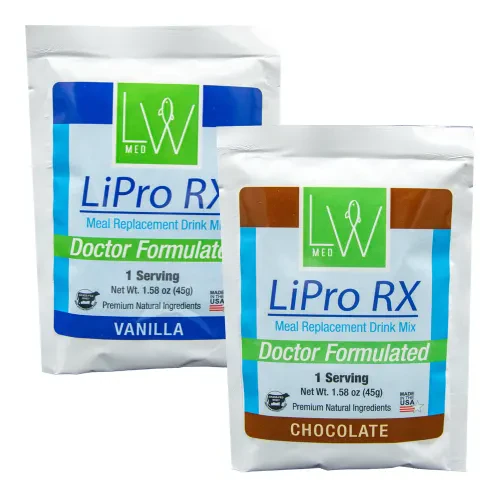
LiproRx is a convenient and nutritious option to replace a meal.
High protein, high fat, and very low carb, LiproRx comes in vanilla and chocolate.
Whether you're looking to manage your weight or simply need a quick and healthy meal option, LiproRx is a perfect choice.
Read More: Article on Meal Replacements
Order Now
See what patients have said about their LWmed experience
- Dr. French started a program called LW Med for people trying to achieve a healthy lifestyle. I've been doing his program for about a month now and have lost 25 pounds in the first month. I feel overall better than I have physically, mentally and emotionally than I have in years. This has literally given me my life back. Emily J.
- I have been extremely impressed with the medical care received from Dr. French, not only for myself, but also for family members. His medical knowledge is amazing. I can describe obscure incidents & he can tell me what is going on & give further information so I can read up on it. What I especially appreciate is the ability to work as a team with him, I can tell him what is happening without fear of judgement & we will come up with a plan that works. Finding this in a physician is like finding gold, nothing is better! LWMed Patient
-

Email
Our team is dedicated to providing personalized care and guidance tailored to your individual needs.
Email Us -

Phone
Take the first step towards a healthier you today!
(406) 405-1457 -

Office
We look forward to seeing you.
Whitefish Medical
144A 2nd St
Whitefish, MT 59937